



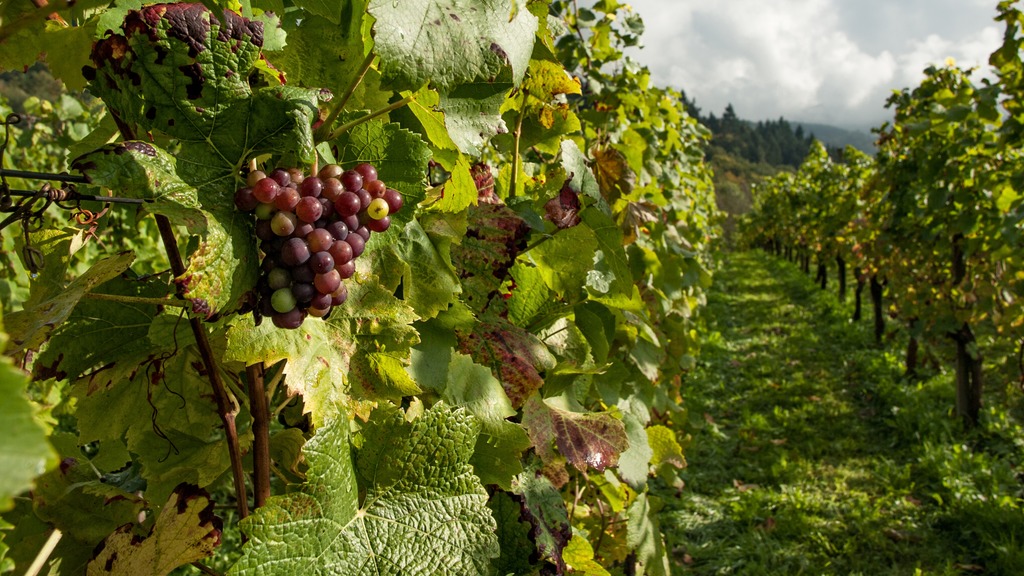
Selling vineyard acreage in winter is a completely different game — but a surprisingly advantageous one. Off-season buyers tend to be analytical, investment-minded, and extremely serious. They’re comparing yield potential, water rights, and long-term growth, not just the romance of a vineyard lifestyle.
Your job as the seller (and mine as your agent) is to remove friction. That starts with documentation: frost-protection systems, irrigation maps, well reports, soil analysis, vine age, and the last three years of production data. When buyers have this up front, it shortens their learning curve and accelerates decision-making.
Winter actually frames vineyard land beautifully. With vines dormant, buyers can see spacing, irrigation layout, and terrain without foliage hiding anything — transparency they appreciate. Professional photography during the winter “green season” captures rolling hills, filtered light, and a more peaceful Napa aesthetic.
Marketing should highlight lifestyle and operational clarity. I lean into dual messaging: the tranquility of vineyard living in winter, plus the practical framework an investor needs. This includes targeted outreach to Bay Area entrepreneurs, LA second-home buyers, and international clients researching California viticulture.
In Napa, winter is when serious vineyard shoppers do their due diligence — and when well-packaged properties stand out.
Check out this article next